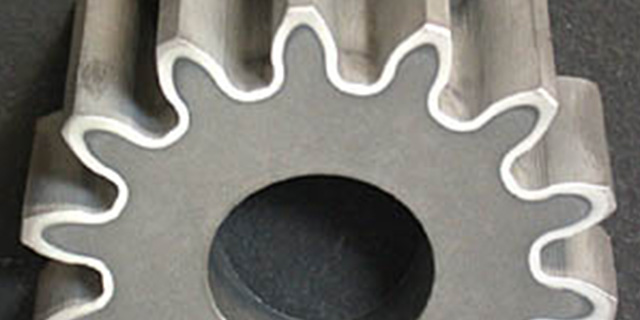
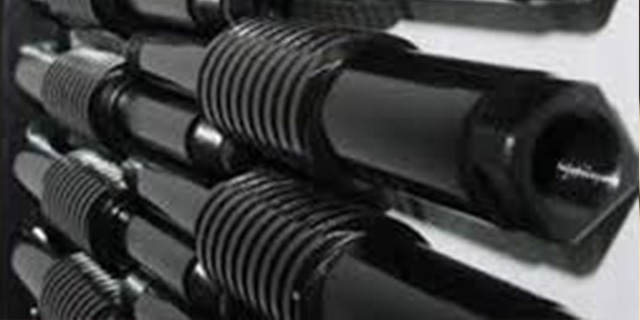
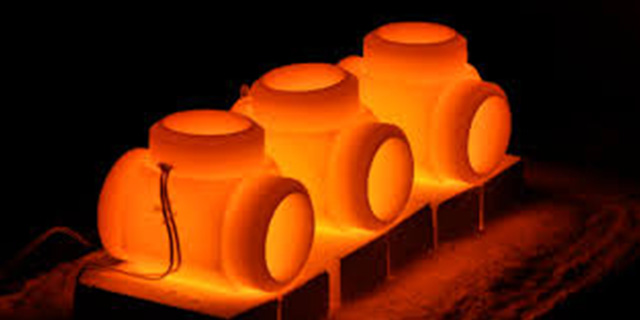
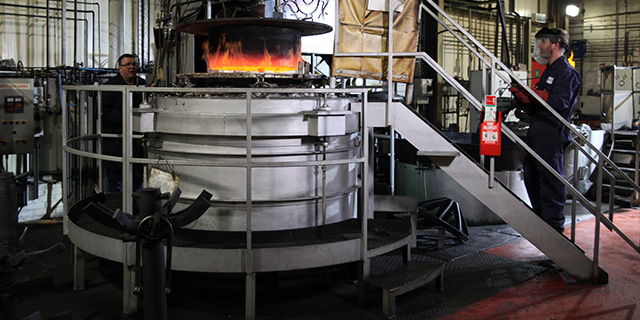
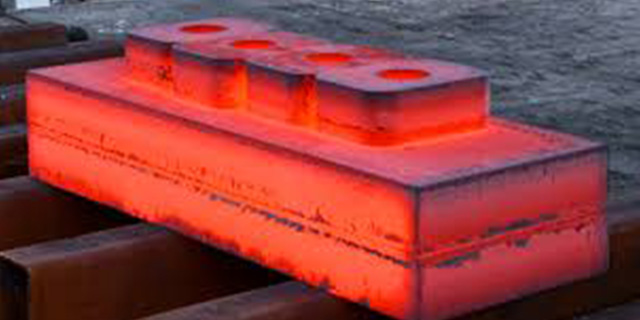
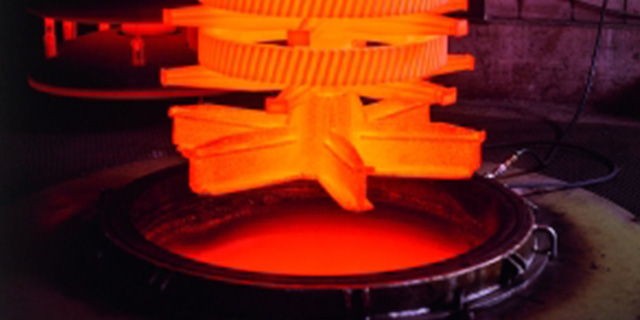
Case Hardening is a process in which carbon diff uses into the surface layer of a component which increases wear resistance, surface hardness and fatigue strength by creating a hardened surface layer and a tough core.
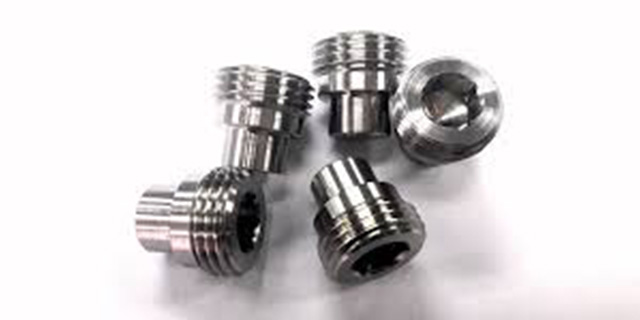
QPQ Liquid Nitriding ( also know as salt bath nitriding) is a process for producing a thin, high-hardness case that is wear and corrosion resistant, with little or no distortion of the part during processing.
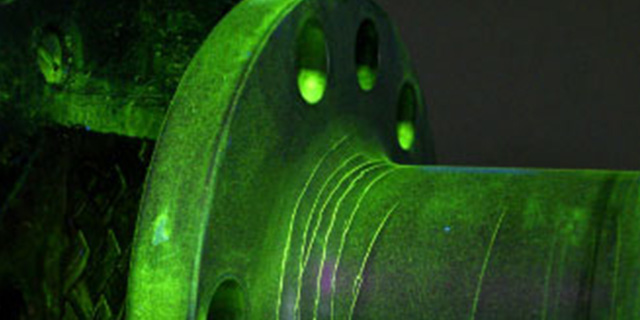
Magnetic Particle Inspection (MPI), also sometimes called Magnetic Test (MT), is a non-destructive test method for the detection of surface and sub-surface discontinuities in ferrous materials.
Age hardening, also known as precipitation hardening, is a type of heat treatment that is used to impart strength to metals and their alloys. It is called precipitation hardening as it makes use of solid impurities or precipitates for the strengthening process.
Normalization is an annealing process applied to ferrous alloys to give the material a uniform fine-grained structure and make it less brittle. It involves heating the steel to above its upper critical point, soaking it for a short period at that temperature and then allowing it to cool in air.
Hardening involves heating steel, keeping it at an appropriate temperature and atmosphere depending on the type of material used, and then quenching it rapidly in polymer or oil.
Annealing is a heat treatment that alters the physical and sometimes chemical properties of a material to increase its ductility and reduce its hardness, making it more workable. It involves heating a material above its recrystallization temperature, maintaining a suitable temperature for a suitable amount of time, and then cooling.
Carbonitriding is similar to case hardening but involves the diff usion of both carbon and nitrogen into the base steel. The carbon provides the base metal with a high carbon surface, and the nitrogen provides the case with an added boost of harden-ability.
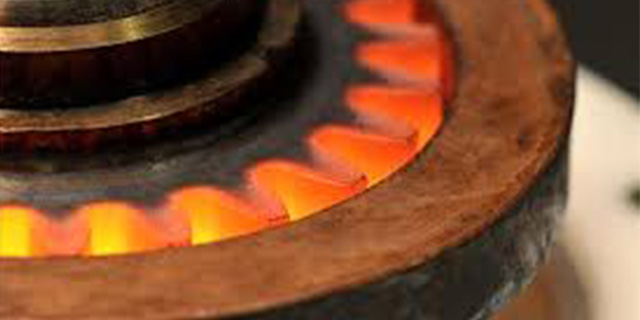
Induction Hardening is a form of heat treatment in which parts are heated by induction heating and then quenched. The quenched metal undergoes a transformation which creates a high surface hardness with a deep case capable of handling extremely high loads. Fatigue strength is increased by the development of a soft core surrounded by an extremely tough outer layer. Induction Hardening is used to selectively harden areas of a part or assembly without aff ecting the properties of the part as a whole.
Stress Relieving is applied to both ferrous and non-ferrous alloys and is intended to remove internal residual stresses generated by prior manufacturing processes such as machining, cold rolling and welding. Without it, subsequent processing may give rise to unacceptable distortion and/or the material can suff er from service problems such as stress corrosion cracking.